Embracing the Art of Slow Travel Benefits and Tips
Introduction to Slow Travel
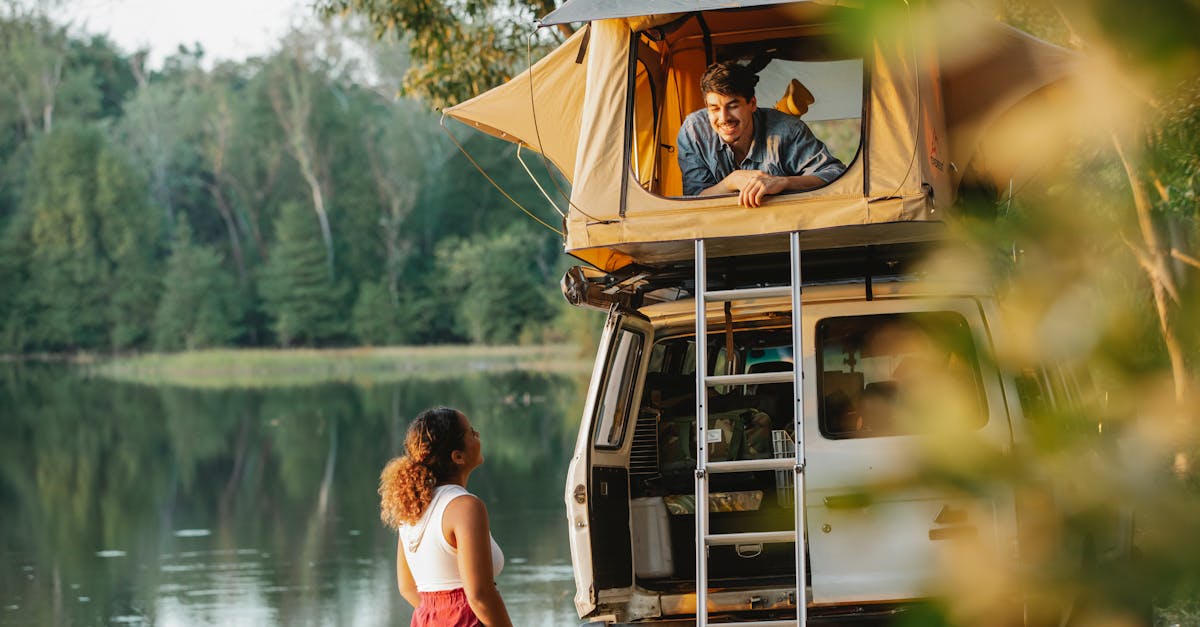
In a world where haste often defines our movements, slow travel emerges as a refreshing counterbalance. It values the journey over the destination, inviting travelers to pause and soak in the uniqueness of each locale. Unlike traditional tourism, slow travel emphasizes immersion, connection, and a leisurely exploration of place. Originally stemming from the slow food movement that began in Italy, this travel philosophy has gained traction among those seeking more meaningful experiences. Embracing authenticity over speed, slow travel transcends mere sightseeing, offering a deeper connection with the world. Let's delve into the wonders and practicalities of this soul-nurturing approach.
Advertisement
Benefits of Slow Travel
Slow travel fosters stronger connections with local cultures and communities. By spending more time in one place, travelers enjoy the chance to interact with locals, learn their customs, and even pick up some of the language. This leads to richer, more authentic experiences that are often missed in whirlwind tours. Besides the cultural benefits, slow travel also lends a positive impact on sustainability. By reducing the carbon footprint associated with frequent travel, it's a more eco-conscious choice. Travelers report feeling more relaxed, less stressed, and more mindful, boosting both mental health and general well-being.
Song Kaiyue/Pexels
Advertisement
Immersing in Local Cultures
One of the most profound aspects of slow travel is the opportunity for cultural immersion. Rather than skimming the surface, travelers can dive deep into the everyday life of their chosen destination. Cooking with locals, attending traditional festivals, and participating in community activities are just a few ways to embrace this experience. These interactions foster mutual respect and understanding, dismantling stereotypes and promoting global peace. Travelers not only learn about the locals but also reflect on their own customs and beliefs, appreciating the diversity of the human experience.
Advertisement
Tips for Embracing Slow Travel
If you're new to slow travel, keep some essential tips in mind to enhance the experience. Firstly, consider fewer destinations but longer stays at each location. This allows a fuller exploration without the rush. Choose accommodations that offer a homely feel, like guesthouses or Airbnbs, to ensure comfortable, personalized stays. Travel using local transportation modes like trains or buses, which provide a closer look at the landscape and culture. Engage in community activities, volunteer opportunities, or local workshops. Lastly, resist the urge to over-plan. Let the spirit of exploration and spontaneity guide you toward unexpected adventures.
Advertisement
Challenges and Solutions
Despite its numerous advantages, slow travel has potential challenges. For instance, some travelers may find it difficult to spend weeks in one place without getting restless. And, unlike a well-planned tour, the freedom of slow travel can sometimes lead to uncertainty. However, travelers can mitigate these challenges with flexibility and an open mind. Planning a few structured activities balanced with free days helps maintain interest. Allowing room for detours and unexpected discoveries keeps the experience fresh and exhilarating. Adaptability is the key, making the journey as rewarding as the destination.
Advertisement
Choosing Destinations for Slow Travel
Identifying the ideal slow travel destination involves considering personal interests and the type of immersion desired. For those drawn to history, cities rich in heritage, such as Rome or Kyoto, offer endless exploration. Nature lovers might prefer rural retreats in Tuscany or the vineyards of New Zealand. Coastal towns provide the perfect backdrop for serene reflection, like Cinque Terre or the Algarve. Additionally, consider destinations where local interaction is embraced, and sustainability is prioritized. Each location offers a unique path of discovery, allowing travelers to create bespoke experiences tailored to their passions.
Advertisement
Sustainable Aspects of Slow Travel
Embracing slow travel aligns with sustainable practices, benefiting both the local economy and the environment. By spending more time and money in one place, travelers contribute to the local economy, supporting businesses that rely on tourism. This allows for more equitable distribution of tourism income. Additionally, a slower itinerary typically involves less transportation, thereby reducing carbon emissions. Travelers often choose accommodations that prioritize sustainability, reduce waste, and engage in responsible tourism practices. Ensuring your journey minimizes environmental impact remains a core tenet of the slow travel philosophy.
Advertisement
Personal Growth Through Slow Travel
Traveling slowly allows individuals to disconnect from routine distractions and embrace present moments fully. With fewer distractions and a focus on mindfulness, travelers often experience heightened self-awareness and personal growth. This journey inward can lead to profound changes in perspective, unearthing creativity, or providing clarity on life choices. Meeting diverse people and challenging one's own views fuels personal development. Each experience enriches the traveler's life tapestry, leaving them with unforgettable memories and newfound personal insights.
Advertisement
The Impact on Mental Wellbeing
In our fast-paced world, taking time to travel slowly can rejuvenate mental health and holistic well-being. Longer stays with a relaxed itinerary mean less pressure, leading to a more restorative and balanced journey. The deeper connections formed with people and places cultivate a sense of belonging and emotional fulfillment, reducing feelings of isolation. Nature immersions and cultural engagements also offer therapeutic benefits, promoting tranquility and reducing stress. Ultimately, slow travel provides a powerful antidote to the hustle of everyday life, encouraging relaxation and positive mental health.
Advertisement
Conclusion: Embracing the Journey
In embracing the art of slow travel, one uncovers a path that transforms journeys into meaningful ventures of exploration and self-discovery. The many benefits, from cultural immersion to enhanced mental well-being, are as multifaceted as the travel experiences themselves. By prioritizing sustainability and connection, slow travel not only benefits the traveler but respects and nurtures the destinations' integrity. As the world opens up again, perhaps the most significant journeys are those where people slow down, savor the moment, and cherish the stories they collect along the way. Indeed, the art of slow travel beckons, offering a timeless invitation to voyage with heart and conscience.
Advertisement