Mastering Language Barriers Abroad
Introduction
Traveling abroad offers thrilling experiences and the chance to explore new cultures, but language barriers can often present a stumbling block. It can feel intimidating to find yourself in a place where you don't understand the language, potentially leading to misunderstandings or awkward encounters. However, with some preparation and an open mindset, these hurdles can be navigated successfully, enriching your travel experience. Understanding and overcoming these challenges also makes you a more adaptable and empathetic global citizen. This article delves into various strategies and tools to help you communicate effectively in foreign lands. Whether you're a seasoned traveler or setting off on your first trip, these tips are designed to prepare you for any linguistic barriers you might encounter.
Advertisement
Research Your Destination
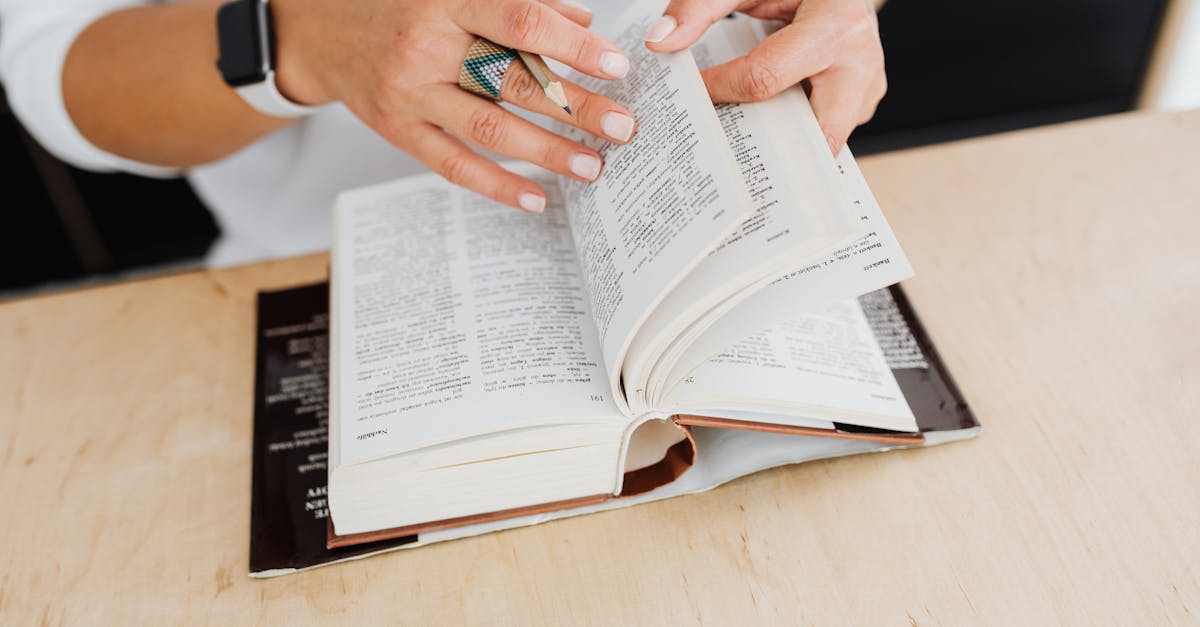
One of the simplest and most effective ways to mitigate language barriers is by doing some research before you depart. Start by learning a few key phrases in the local language, such as "hello," "thank you," "please," and "do you speak English?" Additionally, familiarize yourself with the cultural norms and etiquette; understanding a culture can often provide context clues in conversations. Online language resources and mobile apps like Duolingo or Babbel can be great tools for picking up basic conversational skills. Once you have familiarity with the language basics, you'll feel more confident stepping off the plane and into the local environment, ready to engage with the community respectfully and effectively.
Lara Jameson/Pexels
Advertisement
Use Technology to Your Advantage
Technology has significantly improved our ability to communicate across language barriers. Language translation apps like Google Translate or iTranslate can act as invaluable tools for real-time conversations. Some applications even have a photo translation feature, allowing you to translate text in images or signs. Moreover, offline translation options ensure you have access to language help even without an internet connection. Tech-savvy travelers can also utilize voice assistants like Siri or Google Assistant to translate sentences, providing auditory assistance in moments of need. By leveraging these digital resources, travelers can navigate language hurdles with more ease and precision.
Advertisement
Leverage Visual Communication
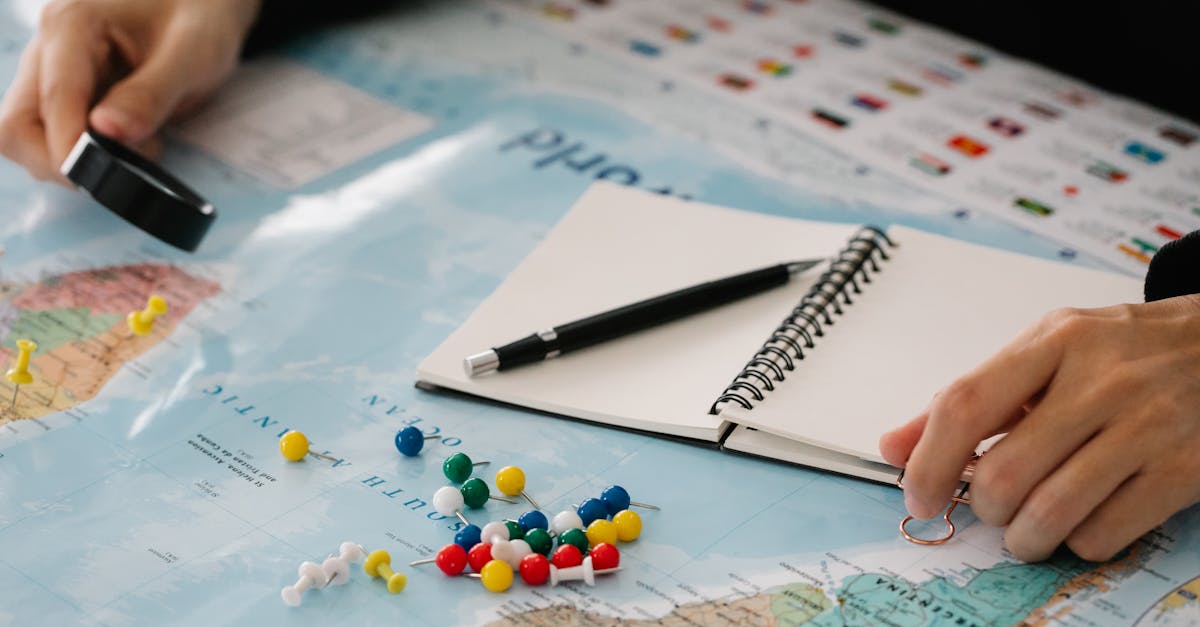
Often, when words fail, non-verbal communication bridges the gap. Body language, hand gestures, and facial expressions are universal tools that transcend many cultural and linguistic divides. If you're trying to ask for directions, maintain a map or have visuals ready, as showing a location often translates better than pronouncing it. Similarly, pointing to objects or using pantomimes can effectively convey your message. However, always research beforehand to ensure gestures aren't considered offensive in the local culture. By becoming adept at visual communication, you can often convey more than spoken words would allow.
Advertisement
Embrace Language Learning Opportunities
While traveling, everyday interactions present excellent opportunities to learn the language organically. Engage with locals and try to practice simple conversations; they might appreciate your effort and offer guidance. Participating in community events or excursions can immerse you in the language naturally, allowing your vocabulary and comprehension to grow. Moreover, attending language classes or workshops at your destination can provide structured learning. By embracing these opportunities, you'll find yourself picking up new phrases and gaining confidence in your linguistic capabilities.
Advertisement
Engage with Locals
Engaging with locals can ease communication barriers, turning them into memorable travel experiences. Many people appreciate when foreigners attempt to speak their language, even if only basic phrases. Start conversations at local eateries, markets, or cafes where locals gather. Show interest in their culture and be polite, as this often fosters a welcoming environment. In some cases, locals may respond by practicing their English with you, allowing for a mutually beneficial language exchange where both parties learn and connect.
Advertisement
Use Simple Language and Pacing
When speaking to someone who is not fluent in English, use simple words and sentences. Avoid slang, idioms, or complex vocabulary that could cause confusion. Speak slowly and articulate your words clearly, allowing the listener to follow your conversation better. Be patient and give them time to process what you are saying in case they need additional moments to understand or respond. Emphasizing simplicity over complexity ensures your message is conveyed clearly and reduces potential misunderstandings.
Advertisement
Seek Help if Needed
Sometimes, despite your best efforts, overcoming a language barrier can seem insurmountable. In such cases, don't hesitate to seek help. Many local information centers, airports, and hotels offer language assistance services. Alternatively, hiring a local guide or interpreter who is fluent in both your and the local language can alleviate challenges during important communications. These experts can help you navigate through difficult situations, ensuring you enjoy your travel experience to the fullest without language hindrances.
Advertisement
Practice Patience and Positivity
Embracing positivity and patience is crucial when faced with language barriers, as these emotions often set the tone for interactions. Understand that communication hiccups are natural and, at times, inevitable when traveling. Approach any language challenge with an open heart and a positive attitude, preventing frustration from derailing your experiences. A genuine smile and polite demeanor often break through the initial awkwardness and open the door to more harmonious communication. By staying patient and positive, you'll find that language barriers are less daunting and more invigorating a challenge.
Advertisement
Conclusion
Navigating language barriers while traveling abroad can indeed be challenging, yet it's a vital component of the immersive travel experience. With thorough preparation and the right mindset, these barriers become part of your adventure rather than an insurmountable obstacle. The strategies detailed in this article—ranging from utilizing technology to engaging with locals—offer practical tools to bridge language gaps effectively. Ultimately, overcoming linguistic hurdles enriches your understanding of different cultures, fostering a global connection. By embracing the nuances of foreign languages, you not only enhance your travel experience but also gain a new perspective on what it means to communicate in an interconnected world.
Advertisement