The Ultimate Guide to Backpacking Safely
Introduction to Safe Backpacking
Backpacking is one of the most adventurous ways to explore nature, providing the ultimate freedom and connection to the great outdoors. However, this freedom comes with its own set of challenges, most of which involve ensuring safety. From wilderness treks to urban jungle exploration, every backpacking trip has unique risks. Knowing how to navigate these risks is essential for every backpacker. This guide aims to equip you with the knowledge and tools necessary for a safe and enjoyable journey. Let's delve deeper into the essentials of backpacking safely.
Advertisement
Research Your Destination
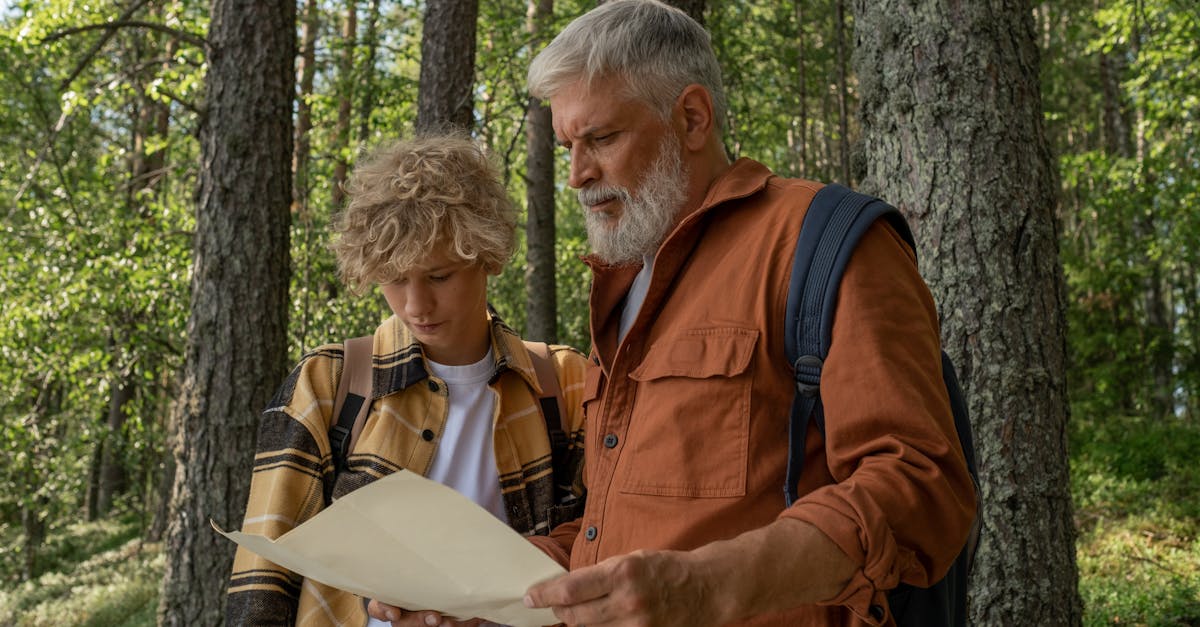
Understanding your chosen route is the first step in a safe backpacking experience. Whether exploring remote trails or city paths, research is crucial. Familiarize yourself with local weather conditions, wildlife, and potential hazards. Trail maps and local guides can provide invaluable insight. Take note of the emergency services available at your destination and any unique risks, like high-altitude illnesses or types of venomous animals present. Knowledge is the key defense against unforeseen challenges.

Lara Jameson/Pexels
Advertisement
Prepare and Pack Wisely
Packing the right gear can spell the difference between comfort and disaster. Essential items include a reliable backpack, tent, sleeping bag, first aid kit, and appropriate clothing. It's vital to layer your clothing to adapt to changing weather conditions. Invest in high-quality, durable gear that suits the environment you'll be backpacking in. Don't forget other essentials like a flashlight, multi-tool, and portable charger for your electronic devices. Always pack more water and provisions than you anticipate needing.
Advertisement
Navigation and Technology
In today's tech-driven world, leveraging technology can greatly enhance your backpacking safety. GPS devices and compass apps on smartphones are incredibly useful but can fail or lose charge. Therefore, always carry a backup physical map and compass. Ensure you're familiar with basic navigation skills like orienteering. Keep communication devices charged, and consider using a personal locator beacon (PLB) or satellite messenger to stay connected with the outside world.
Advertisement
Managing Health Risks
Staying healthy on the trail requires vigilance and preparation. This includes maintaining proper hydration and nutrition, as well as being prepared for potential allergic reactions or injuries. Comprehensive knowledge of basic first-aid techniques can prevent minor issues from becoming significant problems. Sunscreen and insect repellent are crucial in protecting against UV rays and insect-borne diseases. Always ensure your vaccines are up-to-date, particularly if traveling abroad.
Advertisement
Environmental Awareness
Being aware of your environment is fundamental to backpacking safely. This entails understanding the terrain—you don't want to be caught unprepared in a muddy swamp or rocky trail. Pay attention to trail markers and signs which may alert you to potential dangers like steep drop-offs or wildlife crossings. Weather can change rapidly in nature, so always watch the skies and have a plan for seeking shelter during unexpected storms.
Advertisement
Wildlife Encounters
Hiking in wildlife-inhabited areas can offer breathtaking experiences, yet it also comes with necessary precautions. Understand the wildlife in the area and learn strategies to avoid unwanted encounters. Secure food properly to avoid attracting animals, and learn techniques for safely handling any wildlife interaction. Bear-proof containers or hanging storage can prevent curious critters from accessing food. Remember, respect for wildlife enhances both safety and environmental stewardship.
Advertisement
Group Dynamic and Safety
Backpacking alone is an introspective adventure, but traveling with a partner or group has its own safety advantages. Groups provide support in emergencies and can deter potential threats, human or animal. Agree on a clear group plan regarding pace, rest stops, meal times, and emergency procedures. Always share plans with someone not accompanying you, and establish regular check-in times to ensure safety is maintained by all. Sticking together ensures that everyone enjoys a safe trip.
Advertisement
Leave No Trace Principles
Respecting nature is key for safe and responsible backpacking. Practicing Leave No Trace principles ensures the environment remains pristine for future adventurers. This includes packing out all trash, minimizing campfire impacts, and respecting wildlife and other visitors. By following these guidelines, you help maintain the beauty and integrity of the natural world while promoting a sustainable model of enjoyment.
Advertisement
Conclusion: Enjoy Your Journey Safely
Backpacking opens a world of exploration and personal discovery, but safety remains the top priority. With thorough preparation and attention to your surroundings, an enriching experience awaits. Remember the importance of packing wisely, understanding environmental conditions, and respecting nature. By adopting safe backpacking practices, you not only ensure personal safety but also contribute positively to the hiking community. Here's to many safe adventures and unforgettable memories!
Advertisement